
Wednesday, October 28, 2026Oct 28

This story is free to read.

EXPLAINER: Should you get a new COVID booster? If so, when?

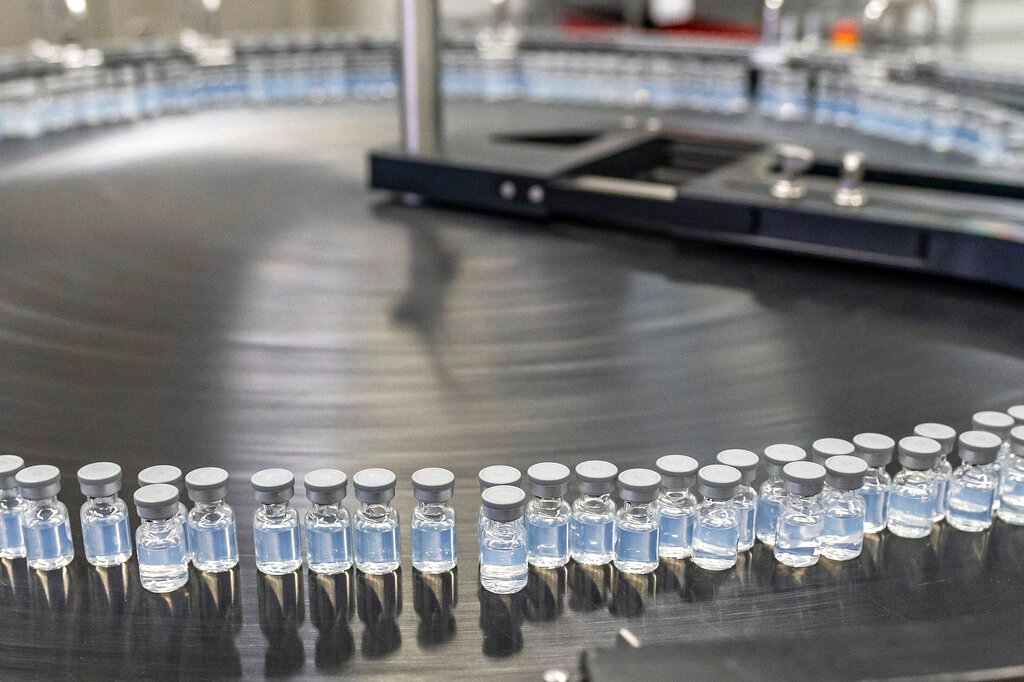
This August 2022 photo provided by Pfizer shows vials of the company's updated COVID-19 vaccine during production in Kalamazoo, Mich.  U.S. regulators have authorized updated COVID-19 boosters, the first to directly target today's most common omicron strain. The move on Wednesday, Aug. 13, 2022,  by the Food and Drug Administration tweaks the recipe of shots made by Pfizer and rival Moderna  that already have saved millions of lives.  (Pfizer via AP)
This August 2022 photo provided by Pfizer shows vials of the company's updated COVID-19 vaccine during production in Kalamazoo, Mich. U.S. regulators have authorized updated COVID-19 boosters, the first to directly target today's most common omicron strain. The move on Wednesday, Aug. 13, 2022, by the Food and Drug Administration tweaks the recipe of shots made by Pfizer and rival Moderna that already have saved millions of lives. (Pfizer via AP) This August 2022 photo provided by Pfizer shows vials of the company's updated COVID-19 vaccine during production in Kalamazoo, Mich. U.S. regulators have authorized updated COVID-19 boosters, the first to directly target today's most common omicron strain. The move on Wednesday, Aug. 13, 2022, by the Food and Drug Administration tweaks the recipe of shots made by Pfizer and rival Moderna that already have saved millions of lives. (Pfizer via AP)

John Wherry will wait until later in the fall to consider getting an updated COVID-19 booster. The University of Pennsylvania immunologist knows it’s too soon after his shot late this summer, especially since he’s not at high risk from the virus.

It’s the kind of calculation many Americans will face as booster shots that target currently circulating omicron strains become available to a population with widely varying risks and levels of immunity.

Here are some things to know:

HOW ARE THE NEW BOOSTERS DIFFERENT?

They’re combination or “bivalent” shots that contain half the original vaccine that’s been used since December 2020 and half protection against today’s dominant omicron versions, BA.4 and BA.5. It’s the first update to COVID-19 vaccines ever cleared by the Food and Drug Administration.