
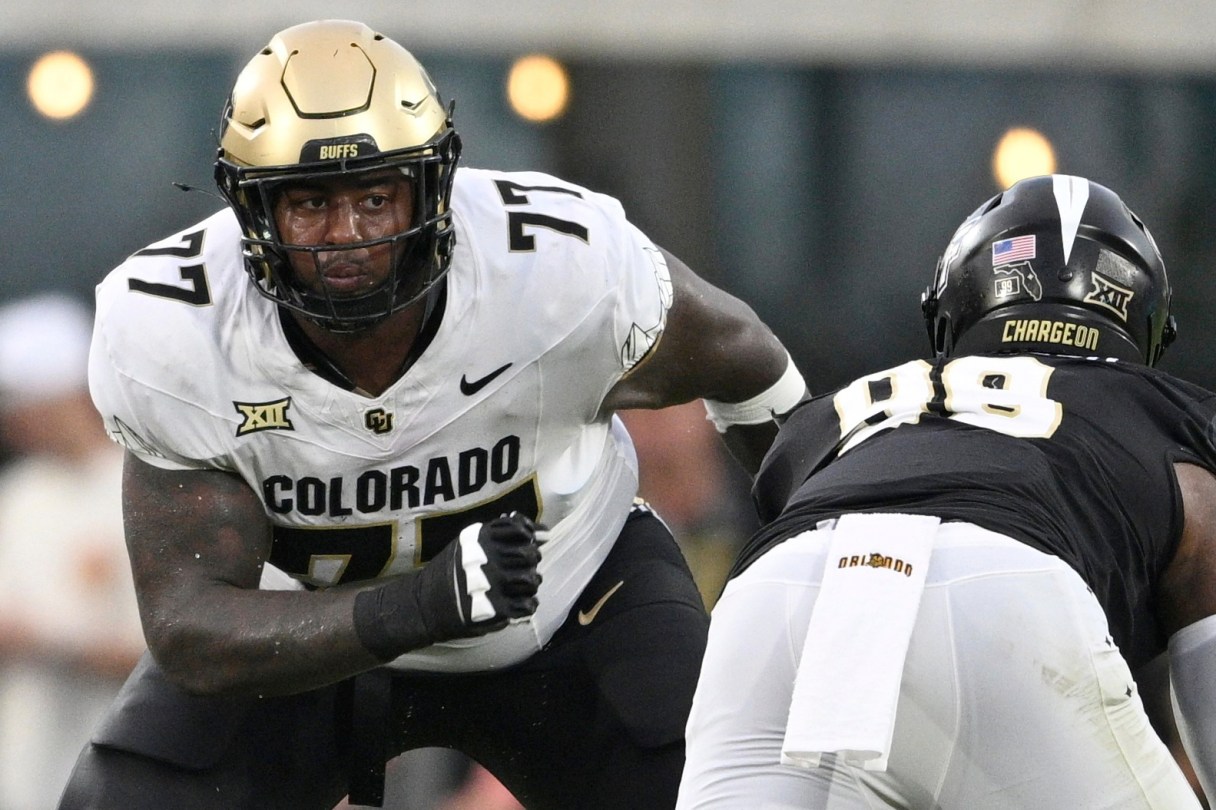
Tennessee Titans left tackle Dan Moore can list all the sponsorship deals he has done as a pro on one hand: a few meet-and-greet opportunities when he was with the Pittsburgh Steelers, a grill company that gave him some barbecue tools in exchange for his endorsement.
Million-dollar deals? No such thing, especially for someone playing his position.
If he were in college — a talented offensive lineman with a chance to make his team a national contender — that might be different, thanks to the advent of name, image and likeness compensation for student-athletes without losing their eligibility to compete.
“It’s only been five years since NIL started,” said Moore, who heads into his sixth year in the NFL this season. “Another five years, and we could see college football becoming semi-pro.”
And that, in short, is the not-so-hidden secret driving a new era in college sports. It is a business rebuilt to allow players to cash in on their personal fame, one that pays exorbitant prices to athletes under the guise that the money isn’t a salary, but rather a payment for services the athletes provide through sponsorship deals.